

Key Takeaways
- Microplastics from synthetic clothing are a major source of ocean pollution—each wash can release 700,000+ fibers
- DIY laundry detergent costs 75-90% less than commercial brands and eliminates harmful chemicals
- Soap nuts provide a natural, compostable alternative that works well for sensitive skin
- Wool dryer balls replace disposable dryer sheets and reduce drying time by 25-30%
- Simple swaps like washing bags and cold water significantly reduce microplastic shedding
- A low-waste laundry room saves the average household $200-400 annually on laundry products
What Is the Low waste Laundry Challenge?
Low waste Laundry Challenge invites you to transform one of your home’s most wasteful spaces into a model of sustainability and frugality. Conventional laundry routines contribute to environmental damage in multiple ways: microplastic pollution from synthetic fabrics, chemical runoff from detergents, and endless plastic packaging from single-use products.
For the frugal, eco-conscious household, rethinking laundry isn’t just about feeling good—it’s about genuine savings. Commercial laundry detergents, fabric softeners, and dryer sheets add up to $150-300 per year for an average family. DIY alternatives and simple swaps can slash that cost by 80% or more while dramatically reducing your environmental footprint.
The beauty of the low-waste laundry approach lies in its flexibility. You don’t need to overhaul everything at once. Start with one swap—maybe DIY detergent or wool dryer balls—and build from there. Each change compounds, creating a laundry routine that’s gentler on the planet and your wallet.
The Microplastics Problem: What Your Clothes Are Shedding
Before diving into solutions, it’s essential to understand why low waste laundry matters. The microplastics crisis is one of the most significant environmental challenges of our time—and your washing machine is a major contributor.
The Scale of the Problem
When you wash synthetic clothing (polyester, nylon, acrylic, fleece), tiny plastic fibers break loose. These microfibers are too small to be captured by wastewater treatment plants and flow directly into rivers, lakes, and oceans.
Key facts:
- A single load of laundry can release 700,000 to 2 million microfibers
- Synthetic clothing accounts for 35% of all microplastics in the ocean
- The average washing machine releases 13 million fibers per year
- Microplastics have been found in drinking water, seafood, and even human blood
Which Fabrics Shed the Most?
Not all clothing is created equal when it comes to microplastic pollution:
Highest shedders:
- Acrylic (releases the most fibers per wash)
- Fleece and plush synthetics
- Polyester blends
- Nylon athletic wear
Lower impact:
- 100% natural fibers (cotton, linen, wool, hemp)
- Tencel/lyocell (made from wood pulp, biodegradable)
- High-quality synthetics with tighter weaves
Pro-Tip from the Shop: Buy a Guppy friend washing bag or similar microfiber-catching laundry bag ($30-35). It captures 80-90% of shed fibers, which you can then dispose of in the trash (not compost) instead of releasing into waterways. One bag lasts for years and pays for itself in reduced pollution.
DIY Laundry Detergent: Three Recipes That Actually Work
Making your own laundry detergent is the cornerstone of a low waste laundry routine. You control the ingredients, eliminate plastic packaging, and save substantial money. Here are three proven recipes, from simplest to most powerful.
Recipe 1: The Basic Powder (Beginner-Friendly)
Yield: ~6 cups (enough for 60-120 loads)
Cost per load: $0.03-0.05 (vs. $0.20-0.40 for commercial)
Ingredients:
- 1 bar Fels-Naptha, Zote, or Dr. Bronner’s soap (grated finely)
- 1 cup washing soda (sodium carbonate, NOT baking soda)
- 1 cup borax (sodium borate)
Instructions:
- Grate the soap bar using a cheese grater or food processor (finer is better for dissolving)
- Mix grated soap with washing soda and borax in a large bowl
- Store in an airtight container (a glass jar or repurposed plastic container works)
- Use 1-2 tablespoons per load (more for heavily soiled clothes)
Best for: Everyday laundry, normal soil levels, top-loading machines
Recipe 2: The Supercharged Powder (Heavy-Duty)
Yield: ~8 cups (enough for 80-160 loads)
Cost per load: $0.04-0.06
Ingredients:
- 2 bars Fels-Naptha or Zote soap (grated)
- 2 cups washing soda
- 2 cups borax
- 1 cup oxygen bleach (sodium percarbonate)
- 1/2 cup citric acid (helps with hard water and brightening)
Instructions:
- Grate soap bars finely
- Mix all dry ingredients thoroughly
- Store in an airtight container away from moisture
- Use 2 tablespoons per load
Best for: Stained clothes, hard water areas, front-loading HE machines
Recipe 3: Liquid Detergent (For HE Machines)
Yield: ~2 gallons (enough for 64-128 loads)
Cost per load: $0.05-0.08
Ingredients:
- 1 bar grated soap (Fels-Naptha, Zote, or Dr. Bronner’s)
- 1 cup washing soda
- 1 cup borax
- Hot water (enough to fill a 2-gallon container)
- Optional: 10-20 drops essential oil for fragrance
Instructions:
- Grate soap and place in a large pot
- Add 6 cups hot water and heat on low, stirring until soap dissolves completely
- Remove from heat and stir in washing soda and borax
- Pour into a 2-gallon container (an old detergent jug works perfectly)
- Add hot water to fill, leaving some room for mixing
- Let sit overnight; mixture will gel
- Shake well before each use (it will separate—that’s normal)
- Use 1/4 to 1/2 cup per load
Best for: Front-loading HE machines, those who prefer liquid detergent
Important Notes on DIY Detergent
Hard water considerations: If you have hard water, add 1/4 cup citric acid to your powder recipe or use a separate water softener (like Calgon) to prevent soap scum buildup.
HE machine warning: DIY detergents are low-sudsing and generally safe for HE machines, but use the minimum recommended amount. Excess soap can cause buildup over time.
Stain treatment: DIY detergent works well for maintenance washing but may need backup for tough stains. Keep a stain stick (DIY: equal parts dish soap and hydrogen peroxide) for pretreatment.
What about soap buildup? Some people report buildup on clothes or in machines after months of use. If this happens, run an empty hot wash with 2 cups white vinegar monthly to clear residue.
see also : DIY Citrus Cleaner: Turn Kitchen Scraps into a Non-Toxic Powerhouse!
Soap Nuts: The Ancient, Compostable Alternative
Soap nuts (also called soapberries) are the dried shells of berries from the Sapindus tree, native to India and Nepal. They contain saponin, a natural compound that creates a gentle soaping action when wet.
Why Choose Soap Nuts?
Pros:
- 100% natural and biodegradable
- Hypoallergenic—excellent for sensitive skin and eczema
- Compostable after use (add to garden or compost bin)
- Minimal packaging (usually sold in paper bags)
- Antibacterial and antifungal properties
- No residue on clothes
Cons:
- Less effective on heavy stains or grease
- Works best in warm/hot water (less effective in cold)
- Higher upfront cost than DIY detergent
- Not ideal for hard water without added softener
How to Use Soap Nuts
Basic Method:
- Place 4-6 soap nut shells in a small cotton bag (usually included with purchase)
- Toss the bag into the drum with your laundry
- Wash as normal (warm or hot water works best)
- Reuse the same nuts for 3-5 loads
- When nuts turn gray and mushy, compost them
Liquid Soap Nut Detergent (for cold washes):
- Combine 15-20 soap nuts with 6 cups water in a pot
- Bring to a boil, then simmer for 20 minutes
- Let cool and steep for several hours or overnight
- Strain and store liquid in a bottle (refrigerate; lasts 2 weeks)
- Add 1/4 cup per load
- Compost the used nuts
Cost comparison: Soap nuts cost ~$0.10-0.15 per load, making them more expensive than DIY detergent but still cheaper than most eco-friendly commercial brands.
Where to buy: Health food stores, zero-waste shops, or online (look for bulk options to reduce packaging).
Wool Dryer Balls: Ditch the Disposable Sheets
Conventional dryer sheets are single-use products coated in synthetic fragrances and chemicals that leave residue on clothes and release VOCs into your home. Wool dryer balls are the sustainable alternative—and they actually work better.
Benefits of Wool Dryer Balls
- Reduce drying time by 25-30% (balls separate clothes, allowing better air circulation)
- Naturally soften fabrics without chemicals
- Reduce static through natural friction
- Last 1,000+ loads (3-5 years for average household)
- Cost: ~$15-25 for a set of 6 (pays for itself in 2-3 months)
- Add essential oils for natural fragrance (2-3 drops per ball)
- Compostable at end of life
How to Use Wool Dryer Balls
- Toss 3-6 balls into the dryer with your wet laundry
- Dry as normal—no other products needed
- For scent, add 2-3 drops of essential oil directly to each ball (let dry before using)
- Recharge balls every few months by running them through a hot wash cycle
DIY Dryer Ball Alternative: Tennis Balls
If wool dryer balls aren’t accessible, clean tennis balls work similarly to reduce drying time and soften clothes. They won’t last as long and aren’t biodegradable, but they’re a budget-friendly option if you already have them.
Pro-Tip from the Shop: Make your own wool dryer balls! Buy 100% wool roving ($10-15 online), wrap it tightly into a ball shape (about tennis-ball size), and felt it by running through a hot wash cycle inside a pillowcase. DIY balls cost ~$2 each vs. $4-5 for store-bought.
Reducing Microplastics: Practical Strategies
A thoughtful low waste laundry routine also focuses on reducing microfiber shedding from synthetic clothes.
Even with the best DIY detergent, synthetic clothing will still shed microplastics. Here’s how to minimize the damage:
1. Wash Less Often
Not every item needs washing after each wear. Jeans, sweaters, and jackets can go multiple wears between washes. This reduces both microplastic shedding and energy use.
2. Use Cold Water
Cold water washing reduces fiber shedding by up to 70% compared to hot water. Modern detergents (including DIY) work effectively in cold water for most loads.
3. Choose the Gentle Cycle
Agitation causes fibers to break loose. Using a gentle or delicate cycle reduces shedding, even for non-delicate clothes.
4. Fill the Machine
A fuller machine means less agitation per item. Run full loads when possible (but don’t overload).
5. Install a Microplastic Filter
Several products capture microfibers before they enter wastewater:
- Filtrol 160: External filter (~$150, installs on washing machine outlet)
- PlanetCare: In-drum filter with replaceable cartridges (~$80 + subscriptions)
- Cora Ball: Ball that goes in the drum, catches fibers you can pull out (~$35)
Pro-Tip from the Shop: Start with a Cora Ball—it’s affordable, requires no installation, and captures a meaningful amount of fibers. Upgrade to an external filter if you want maximum protection.
The Complete low waste Laundry Room Checklist
Transform your entire laundry routine with these swaps, prioritized by impact and affordability:
Immediate Swaps (Start Here)
- DIY detergent: $15 startup, saves $150-250/year, High impact
- Wool dryer balls: $20, saves $30-50/year, Medium impact
- Cold water washing: $0, saves $60-100/year, High impact
- Full loads only: $0, saves $20-40/year, Medium impact
Medium-Term Investments
- Guppyfriend bag: $35, High impact (microplastics)
- Cora Ball filter: $35, High impact (microplastics)
- Soap nuts (trial): $20, Medium impact
- DIY stain remover: $10, saves $20-30/year, Low impact
Long-Term Upgrades
- External microplastic filter: $150, Very High impact
- Energy-efficient washer: $500-800, saves $100-150/year, Very High impact
- Clothesline/drying rack: $30-50, saves $50-80/year, High impact
Common Mistakes (And How to Avoid Them)
Mistake 1: Using Too Much DIY Detergent
Problem: More soap doesn’t mean cleaner clothes—it means buildup and residue.
Solution: Start with the minimum recommended amount (1 tablespoon powder or 1/4 cup liquid). Increase only if clothes aren’t getting clean.
Mistake 2: Expecting DIY to Work on Everything
Problem: DIY detergent is great for maintenance washing but may struggle with heavy grease or set-in stains.
Solution: Pretreat stains before washing. Keep a DIY stain stick (equal parts dish soap, hydrogen peroxide, and baking soda) for spot treatment.
Mistake 3: Giving Up Too Soon
Problem: Clothes feel different with DIY detergent or soap nuts—it’s not worse, just different.
Solution: Give your body and clothes 2-3 weeks to adjust. The “waxy” feeling some report is often old commercial detergent residue washing out, not a problem with DIY products.
Mistake 4: Ignoring Water Hardness
Problem: DIY soap-based detergents can leave residue in hard water.
Solution: Add 1/4 cup citric acid to your powder recipe, use a separate water softener, or switch to soap nuts which are less affected by hard water.
The Bigger Picture: Why Low-Waste Laundry Matters
The average American household does 300 loads of laundry per year. Multiply that by millions of households, and the environmental impact becomes staggering:
- 900 million plastic detergent jugs enter landfills annually (most aren’t recycled)
- Trillions of microfibers flow into waterways from washing machines
- Chemical runoff from conventional detergents harms aquatic ecosystems
- Energy consumption from hot water and dryers contributes to carbon emissions
check The European Commission to clean up laundry detergents
By adopting a low-waste laundry routine, you’re not just saving money—you’re participating in a collective solution. Every load washed in cold water, every plastic jug avoided, every microfiber captured adds up.
And perhaps most importantly, you’re proving that sustainable living doesn’t require sacrifice. DIY detergent works. Wool dryer balls work. Soap nuts work. You can have clean, fresh-smelling clothes while spending less and wasting less.
The low-waste laundry room isn’t a compromise—it’s an upgrade.
Pro-Tip from the Shop
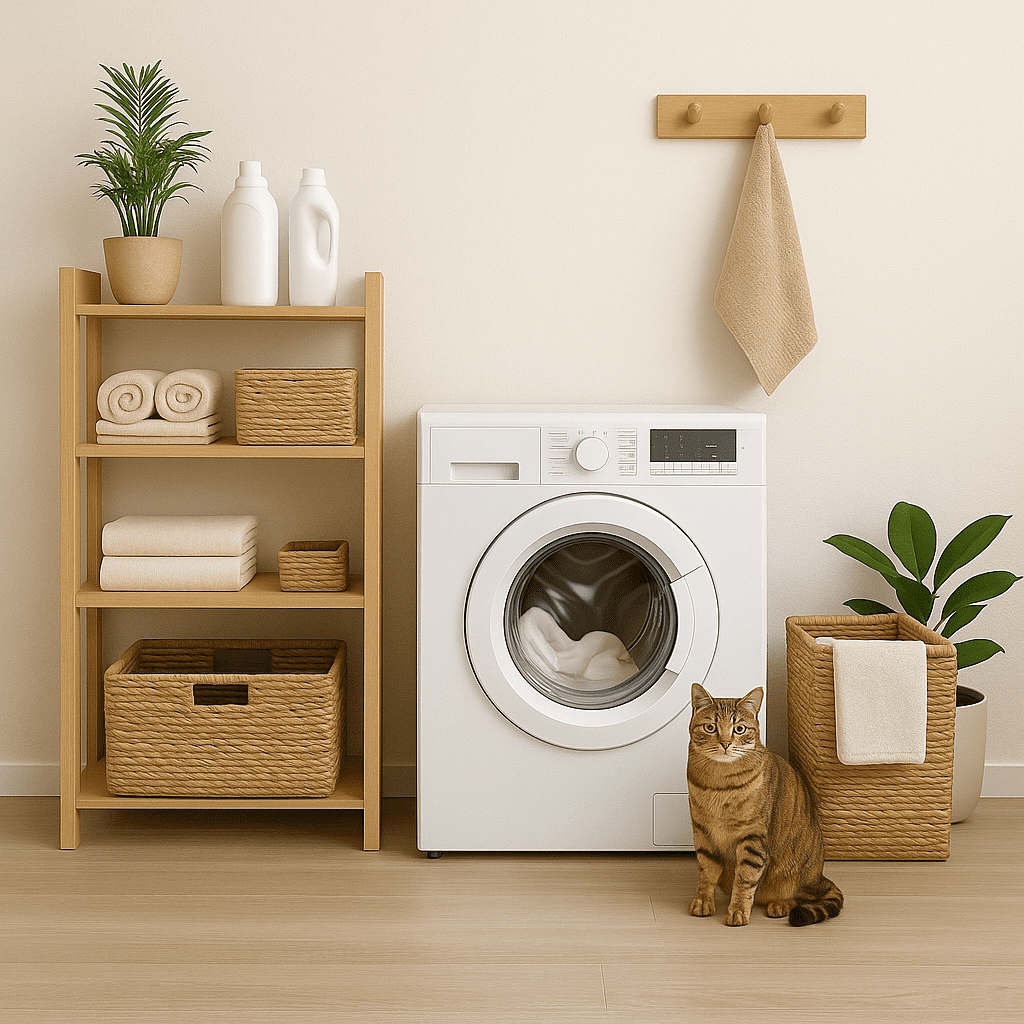
The “Laundry Station” Organization System: Dedicate one shelf or cabinet to your low-waste laundry supplies. Use clear glass jars for DIY detergent, wool dryer balls, and soap nuts. Label each jar with contents and usage instructions (e.g., “2 tbsp per load”). Keep a small basket with your Guppyfriend bag, Cora Ball, and stain stick. This visual system makes the sustainable choice the easy choice—and helps family members use the right amounts without asking.